
Attention-Deficit/Hyperactivity Disorder (ADHD)

On this page
Lorem ipsum dolor sit amet
Condition page here consectetur adipiscing elit, sed do eiusmod tempor incididunt ut labore et dolore magna aliqua. Ut enim ad minim veniam, quis nostrud exercitation ullamco laboris nisi ut aliquip ex ea commodo consequat.
Icon grid
Icon grid lorem ipsum
Lorem ipsum dolor sit amet, consectetur adipiscing elit, sed do eiusmod tempor incididunt ut labore et dolore magna aliqua.Icon grid test
Lorem ipsum dolor sit amet, consectetur adipiscing elit, sed do eiusmod tempor incididunt ut labore et dolore magna aliqua.
Overview
Attention-deficit/hyperactivity disorder (ADHD) is a neurodevelopmental condition that begins in childhood, continues through adolescence, and often persists into adulthood. About 5 to 7% of children in the United States have ADHD, and similar rates have been found in countries all over the world. ADHD is characterized by a lack of ability to pay attention; struggles with keeping still or quiet; and impulsiveness that can interfere with school, work and relationships.
Research suggests that ADHD is caused by a combination of genetic and environmental factors. Scientists are working to uncover more details about the specific genes involved and the contributing environmental factors, but they have established that genetics play a powerful role – in fact, some studies suggest ADHD is as heritable as height.
Environmental factors that increase the likelihood of developing ADHD include prenatal exposure to nicotine or alcohol, premature birth or low birth weight, and exposure to lead or other toxins. While the ways someone was parented and taught didn’t cause their ADHD, both can impact the severity of the person's symptoms.
Our approach to ADHD
UCSF is a leader in providing advanced and compassionate mental health care for people of all ages and backgrounds. We’re one of the top 10 hospitals in the nation for adult psychiatric care, according to the annual ranking by U.S. News & World Report, and as part of the UCSF Weill Institute for Neurosciences, our world-renowned neurologists, neurosurgeons and neuroscientists work as a team to swiftly translate research discoveries into new and better treatments for patients.
Not everyone with ADHD has all symptoms of the disorder. Some people may only have symptoms related to attention, while others – usually young children – may only have symptoms related to hyperactivity and impulsiveness. Hence there are three presentations of ADHD (categorized by the type and number of symptoms the person has): the predominantly inattentive presentation, predominantly hyperactive-impulsive presentation and combined presentation.
Symptoms of inattentive ADHD
- Makes careless-seeming mistakes or struggles with details
- Has difficulty sustaining attention
- Doesn't seem to listen when directly spoken to
- Has difficulty following instructions or starts tasks but doesn’t finish them
- Has difficulty staying organized
- Avoids tasks that require sustained mental effort
- Loses things often Is easily distracted Is forgetful
Research
Clinical Trials
Gauging Outcomes of Total Milk Ingestion on Lipid and gControlOpens in a new window
Recruiting
The primary outcome will be the hemoglobin A1c (HbA1c) measured at the end of each intervention period with whole-fat milk compared to skim milk during the enr...Trial to Evaluate Safety And Effectiveness of Mechanical Circulatory Support in Patients With Advancing Heart FailureOpens in a new window
Recruiting
The powered primary endpoint will be analyzed at 2 years following the Com-Nougue method and will be compared between the HM3 Group (HM3 LVAD) and the Control...Improving Congenital Heart Disease CareOpens in a new window
Recruiting
Number of patients recruited out of all the eligible patient approached for recruitmentPROACTIVE-HF-2 Trial Heart Failure NYHA Class II and IIIOpens in a new window
Recruiting
A composite endpoint of first HF event or death from CVD up to 24 months.
Services & treatments
Conditions
- Fructose 1, 6 Bisphosphatase Deficiency
- Type 2 Second-Degree Heart Block
- Arnold-Chiari Malformation Type 2
- Checkpoint Kinase 2
- CA 125 Elevation
- IDH1 Mutation
- Neurofibromatosis Type 1
- Attention Deficit Hyperactivity Disorder
- Disturbance of Attention
Treatments
- Attention-Deficit Hyperactivity Disorder (ADHD) Testing
Related Content Grid

Lorem ipsum
Lorem ipsum dolor sit amet, consectetur adipiscing elit. Nullam ornare ipsum orci, ac laoreet leo egestas id.
Cancer Genetics
Lorem ipsum dolor sit amet, consectetur adipiscing elit. Nullam ornare ipsum orci, ac laoreet leo egestas id.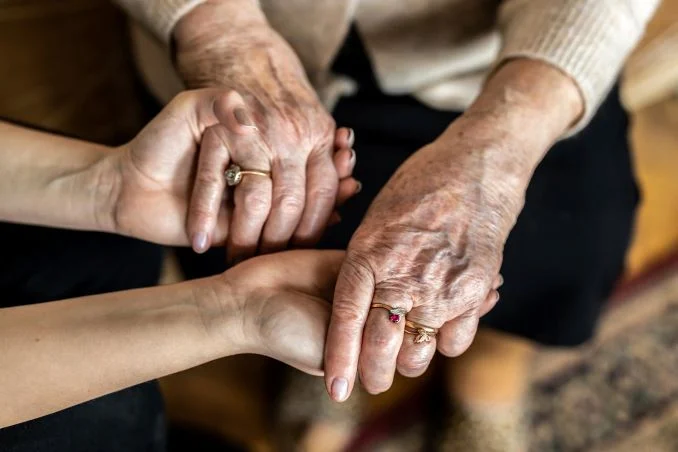
Lorem ipsum
Lorem ipsum dolor sit amet, consectetur adipiscing elit. Nullam ornare ipsum orci, ac laoreet leo egestas id.
Medical Test Detail Page
description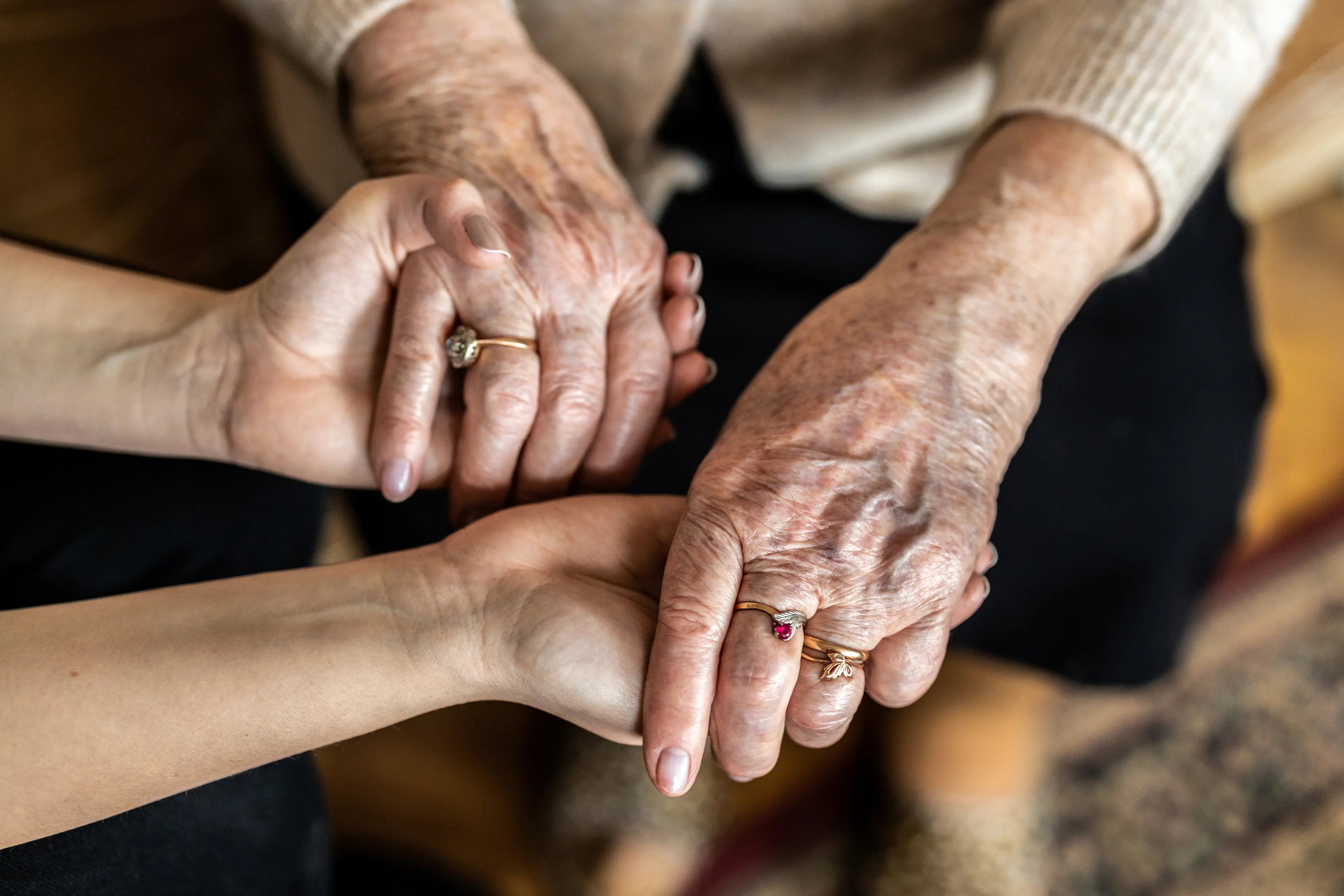
This is the Title of the Fifth Card
This is the Card 5 description text
Care Keywords Related Care Variant
Conditions
- Fructose 1, 6 Bisphosphatase Deficiency
- Type 2 Second-Degree Heart Block
- Arnold-Chiari Malformation Type 2
- Checkpoint Kinase 2
- CA 125 Elevation
- IDH1 Mutation
- Neurofibromatosis Type 1
- Attention Deficit Hyperactivity Disorder
- Disturbance of Attention
Treatments
- Attention-Deficit Hyperactivity Disorder (ADHD) Testing